The Science Behind Earthing
Earthing (or grounding) refers to direct physical contact with the Earth’s surface electrons. Emerging research suggests this connection may support:
• Reduced inflammation and oxidative stress
• Improved sleep quality
• Calmer nervous system regulation
• Enhanced recovery and circulation
Peer-reviewed studies have observed measurable changes in cortisol rhythms, heart rate variability, and inflammatory markers when the body is grounded during rest.
While research continues to evolve, the evidence consistently points toward one thing: conductivity matters.
Because if the material doesn’t conduct efficiently, you’re not truly grounded.
Why Material Choice Matters
When it comes to grounding performance, material is everything from both a conductive and sleep comfort perspective.
Silver – Best for Direct Skin Contact
Silver is one of the most electrically conductive elements on Earth. When woven into organic cotton, it delivers exceptional skin-to-skin conductivity while maintaining softness and breathability. For fitted sheets designed for direct body contact, silver provides optimal conductivity, comfort, and performance.
Carbon – Engineered for Superior Surface Conductivity
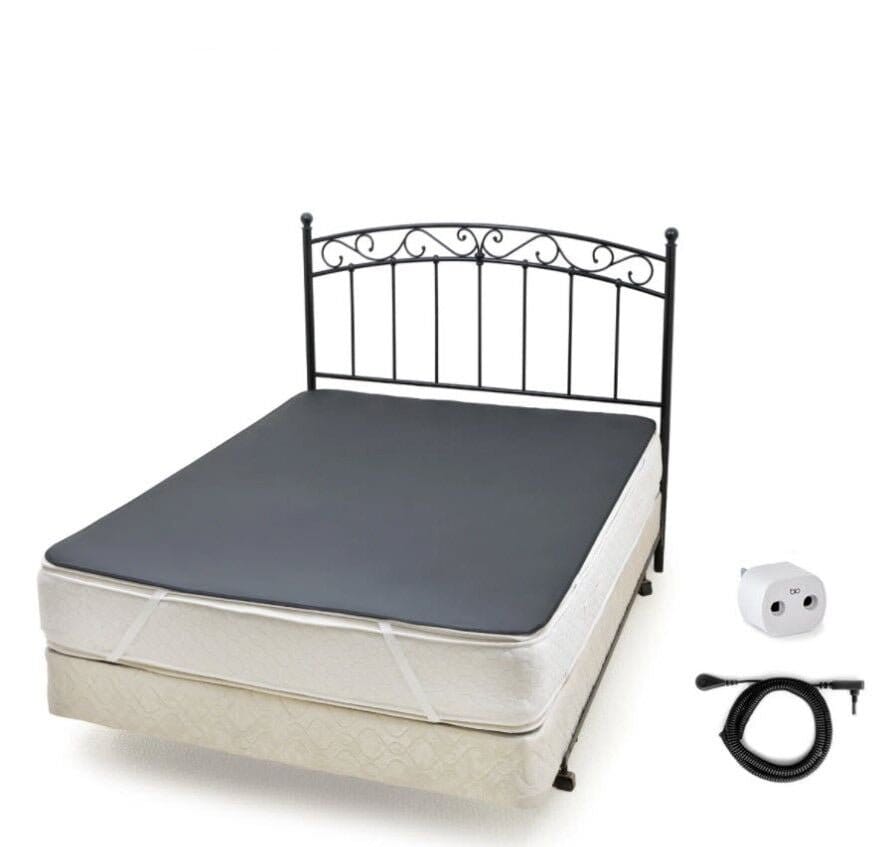
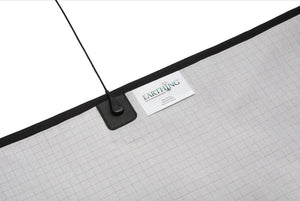
Advanced carbon grounding material is engineered for consistent, full-surface conductivity and long-term durability. Unlike woven metal fibres, carbon creates stable, uniform conductive coverage across the entire layer — making it ideal for mattress covers and structured grounding solutions where performance and resilience matter most.
Stainless Steel – Lower-Cost, Heavier Conductive Fibre
Stainless steel fibres are conductive, but significantly heavier and less conductive per fibre than silver. Because stainless steel is a much cheaper industrial metal, it is often used in lower-cost textile blends. Higher percentages by weight are typically required to achieve functional conductivity — and weight alone does not determine performance.
In grounding textiles, effectiveness is determined by conductivity efficiency and surface consistency — not fibre weight, metal percentage, or marketing claims.